

When Hurricane Matthew swept through Savannah's Victorian District in 2016, restoration crews worked tirelessly on an 1850s Italianate mansion that had taken on four feet of water. What struck me wasn't just the scale of the damage -- it was how different the restoration process was from modern homes. You can't just rip out wet drywall and replace it when you're dealing with hand-carved plaster medallions and irreplaceable heart pine floors that have witnessed 170 years of history.
If you own a historic home in Savannah and you're facing water damage restoration challenges, you're navigating a fundamentally different situation from what neighbors in newer construction deal with. The good news? With the right approach -- one that respects both preservation standards and modern restoration science -- your antebellum treasure can not only recover but emerge stronger and better protected against future water intrusion.
Key Takeaways
- Historic homes require controlled, slow drying (2-4 weeks vs. 3-7 days for modern homes) to prevent cracking and warping of irreplaceable materials.
- Preservation guidelines from the Savannah MPC and Historic Savannah Foundation must be followed for any exterior restoration work.
- Historic restoration costs 40-80% more than modern home restoration due to specialized expertise, custom materials, and extended timelines.
- Most historic wood floors can be saved even after significant water exposure if drying begins within 48-72 hours.
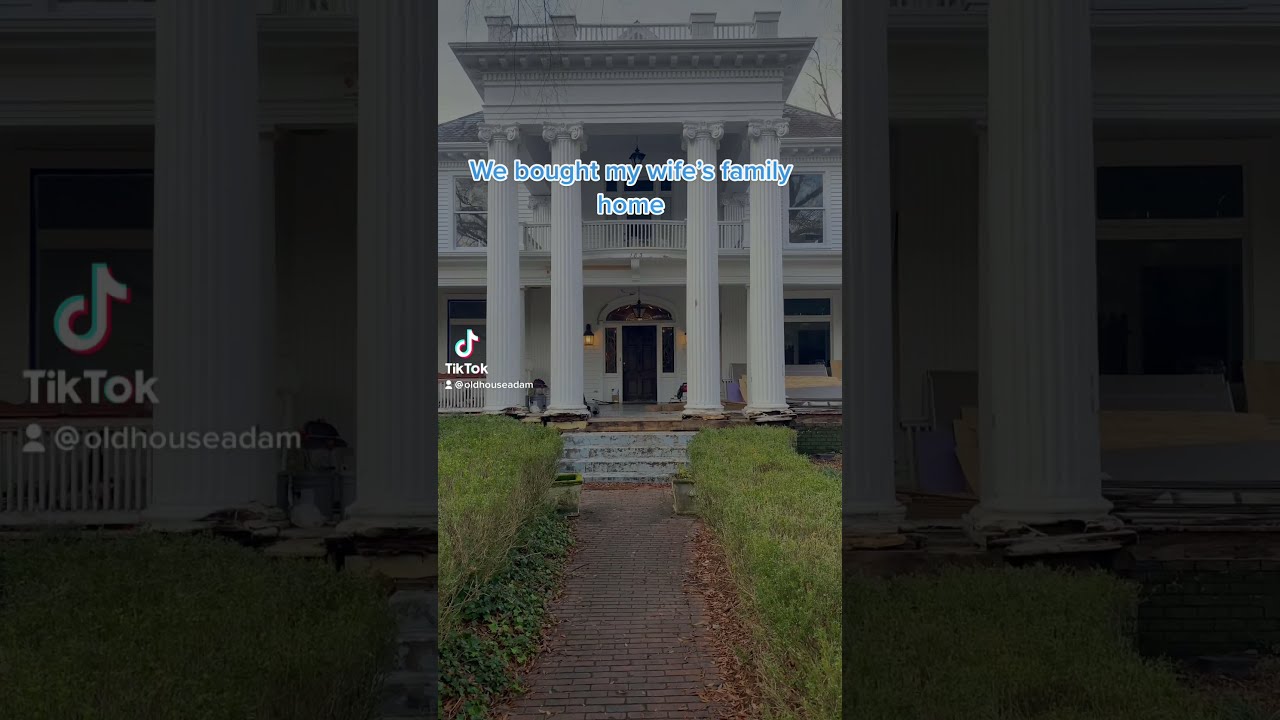
Understanding Water Damage in Savannah's Historic Properties
Savannah's historic homes weren't built with modern waterproofing in mind. Colonial home flood restoration requires a completely different mindset than contemporary residential work.
Why Historic Buildings Are Particularly Vulnerable
The same architectural features that make Savannah's heritage buildings so breathtaking also make them susceptible to water damage. Those thick tabby walls in colonial structures? They're porous. Beautiful old windows with original wavy glass? Often leaky. Magnificent slate roofs on federal style houses? Heavy and prone to structural shifting that creates entry points for water.
I've seen this firsthand: a Victorian home in the Historic District experienced what the owner thought was minor roof damage. By the time they called for help, moisture had wicked through the original plaster walls, traveled along wooden lath, and created mold colonies in three different rooms -- none of them directly below the leak.
The specific vulnerabilities include:
- Foundation issues in structures built before modern concrete techniques
- Original mortar that's degraded over decades or centuries
- Antiquated drainage systems that can't handle modern rainfall intensity
- Wood components (floors, joists, framing) that have dried and contracted, creating gaps
- Original paint containing materials that trap moisture rather than allowing buildings to "breathe"
Common Water Damage Scenarios in Savannah Historic Homes
Hurricane damage gets the headlines, but that's not what most historic homeowners in Chatham County face. The real threats are more insidious.
Chronic moisture problems develop when Savannah's legendary humidity combines with poor ventilation in attics and crawl spaces. I've inspected antebellum homes where the HVAC system was poorly retrofitted, creating condensation issues that slowly rotted support beams over twenty years.
Plumbing failures in historic properties often involve both old pipes and the structural damage that occurs when you try to repair them. That gorgeous plaster ceiling in your dining room? It might come down when the century-old pipes above it finally give way.
Storm-related flooding remains a persistent threat, especially in low-lying areas near the Savannah River. Even minor flooding -- just a few inches -- can cause catastrophic damage to historic materials that modern building products could shrug off.
Roof leaks in heritage buildings often go undetected longer because attic spaces may be finished or difficult to access, and water can travel significant distances along old framing before appearing inside living spaces.
Important
Never use aggressive drying techniques on historic plaster walls. Cranking up commercial dehumidifiers in a room with 150-year-old plaster can cause more damage than the water did. Plaster that dries too quickly cracks and crumbles irreparably.
The Historic Preservation Approach to Water Damage Restoration
You can't treat a National Register property like a 1990s subdivision home. The restoration approach must balance modern drying science with preservation principles.
Working Within Historic Preservation Guidelines
If your home is in Savannah's Historic District or listed on the National Register, you're not just dealing with water damage -- you're navigating regulations designed to protect architectural heritage.
The Historic Savannah Foundation and the Savannah MPC historic preservation department maintain strict guidelines about what restoration methods are acceptable.
Here's what typically requires approval:
- Exterior changes visible from the street
- Replacement of original architectural elements
- Modifications to rooflines, foundations, or structural components
- Changes to window configurations or door placements
- Any alteration to character-defining features
According to the National Park Service Technical Preservation Services, proper documentation and adherence to the Secretary of the Interior's Standards for Rehabilitation ensures both the physical and historical integrity of your property remain intact.
Preservation-Sensitive Drying Techniques
Controlled dehumidification for historic buildings requires moisture mapping technology and infrared thermal imaging to track exactly where water is and monitor drying progress without over-drying historic materials. Wood needs to dry slowly to prevent cracking and warping. Plaster walls require careful humidity control to avoid crumbling.
The best restoration companies use specialized equipment calibrated for heritage materials:
- Low-velocity air movers that provide gentle airflow without creating damaging wind pressure
- Commercial-grade dehumidifiers with variable settings for different materials
- Moisture meters specifically designed for historic wood species and plaster types
- Temperature and humidity monitoring systems that track conditions 24/7
Pro Tip
Ask your restoration company about their experience with controlled drying for historic heart pine floors. Proper slow-drying over 2-3 weeks can save floors that seem beyond repair -- I've watched original 1887 floors emerge flat and stable, requiring only refinishing rather than replacement.
Material-Specific Restoration Methods
Historic wood floor water damage repair is an art form. You're not dealing with tongue-and-groove oak from Home Depot -- you're working with old-growth heart pine, cypress, or even rare woods that aren't commercially available anymore. These floors can often be saved even after significant water exposure, but only with patient, methodical drying and expert refinishing.

Plaster wall restoration requires craftspeople who understand traditional techniques. Skilled restoration may involve removing and replacing only affected sections using lime-based plasters that match original compositions -- not modern gypsum products.
Masonry repair for historic buildings addresses water damage to brick, tabby, stucco, and stone using appropriate mortar mixes. Using modern Portland cement mortar on a brick wall originally laid with lime mortar can trap moisture and cause spalling.
| Restoration Aspect | Modern Home | Historic Home |
|---|---|---|
| Drying Time | 3-7 days | 2-4 weeks |
| Wall Repair | Rip out drywall, replace | Lime plaster matching, selective repair |
| Flooring | $3-$7/sq ft (modern oak) | $15-$25/sq ft (salvaged heart pine) |
| Overall Cost | $30,000 (typical) | $50,000-$70,000 (comparable scope) |
| Permits Needed | Standard building permits | Certificate of Appropriateness + building permits |
| Total Timeline | 2-6 weeks | 4-12 weeks (up to 9 months for severe) |
Emergency Response: What to Do Immediately After Water Damage
Historic properties require swift action, but that action needs to be smart, not just fast.
First 24 Hours: Critical Steps
Step 1: Safety First. Stop water at the source if possible. Shut off water mains for plumbing failures. If you smell gas or suspect structural damage, evacuate and call professionals.
Step 2: Document Everything. Before touching anything, photograph and video document all damage from multiple angles. This documentation is critical for insurance claims and preservation records.
Step 3: Emergency Water Removal. Standing water needs to go quickly, but how you remove it matters. Don't use squeegees or push brooms on historic wood floors -- you'll grind contaminants into the wood grain.
Step 4: Move Vulnerable Items. Remove area rugs, artwork, documents, and movable furnishings from wet areas. If you have historic documents or photographs that got wet, freeze them immediately in zip-lock bags -- freeze drying specialists can often salvage them.
Step 5: Initial Air Circulation. Open windows (if weather permits) and doors between rooms. Run ceiling fans. But don't start removing baseboards, drilling holes in walls, or pulling up flooring without professional guidance.
Need Professional Help?
Our IICRC-certified team specializes in historic Savannah property restoration with 24/7 emergency response.
Get a Free EstimateChoosing the Right Historic Restoration Company
Not every water damage restoration company understands historic properties. I've seen well-meaning crews from national franchises cause tens of thousands in unnecessary damage because they applied standard protocols to non-standard buildings.
What to look for:
- Specific experience with historic properties -- ask for references on homes of similar age and style
- IICRC certified restoration credentials
- Knowledge of local preservation requirements and established relationships with preservation officials
- Appropriate insurance including coverage for work on high-value historic properties
- Advanced diagnostic equipment for moisture detection and monitoring
- 24/7 emergency response capability
You can verify restoration company credentials through the Better Business Bureau before making your final decision.
Comprehensive Restoration Process: From Assessment to Completion
Phase 1: Comprehensive Damage Assessment
Infrared thermal imaging shows temperature differentials that indicate moisture locations behind walls and under floors without destructive investigation. I've used thermal cameras to discover that water from a third-floor bathroom leak had traveled down through wall cavities to damage first-floor plaster -- fifteen feet from where homeowners thought the problem was located.
Moisture meters take readings at multiple depths in materials. Historic wood beams might be wet deep inside while surface readings appear normal.
Air quality testing identifies mold species and spore counts. In historic properties, mold often colonizes hidden spaces behind plaster. The EPA guidelines for mold remediation provide comprehensive standards for safe remediation.
Phase 2: Water Extraction and Structural Drying
Controlled drying protocols typically take 2-4 weeks for heritage buildings versus 3-7 days for modern homes. The extended timeline prevents damage from rapid moisture loss -- plaster that dries too quickly cracks, and historic wood that loses moisture rapidly can split or warp.
Phase 3: Mold Remediation for Historic Properties
Mold remediation in historic buildings is particularly challenging because aggressive removal techniques can damage irreplaceable materials. Professional setups use negative air pressure and sealed barriers, with HEPA vacuuming and antimicrobial treatments for surface contamination.
Phase 4: Restoration and Reconstruction
Historic materials matching requires detective work and craftsperson skill. That damaged plaster cornice needs to match the profile, composition, and texture of the original. Replacement floor boards must match species, grain, width, and thickness of surviving boards.
Special Considerations for Different Architectural Styles
Antebellum and Colonial Properties
Tabby construction (a mixture of oyster shells, lime, sand, and water) is particularly vulnerable to water damage. When saturated, tabby can disintegrate. Restoration requires careful drying and stabilization.
Original heart pine or cypress structural members in these homes are incredibly durable -- I've seen 200-year-old beams in better condition than 20-year-old dimensional lumber. But finding replacement materials of comparable quality is nearly impossible. Architectural salvage specialists become critical resources.
Victorian Era Properties
Savannah's Victorian homes (roughly 1860-1900) showcase elaborate ornamentation that complicates water damage restoration. Multiple wood species in different applications -- oak floors, pine framing, poplar trim, walnut mantels -- each responds differently to water exposure and requires individual treatment.
Victorian-era plaster often incorporated horsehair as reinforcement. Water-damaged horsehair plaster requires specialized repair techniques that modern plasterers may not know.
Cost Factors and Financial Planning
Historic home water damage restoration costs significantly more than comparable work on modern properties. Here are general ranges for Savannah:
- Emergency water extraction: $2,000-$8,000 depending on water volume and contamination
- Structural drying (historic): $3,500-$15,000 for comprehensive drying with monitoring
- Mold remediation: $3,000-$30,000+ depending on extent
- Plaster repair: $85-$150 per square yard for three-coat restoration
- Historic wood floor restoration: $12-$25 per square foot
- Complete restoration project: $50,000-$250,000+ for major flood damage
Insurance Considerations
Standard homeowners policies often don't provide adequate coverage for historic home restoration. Agreed value or guaranteed replacement cost policies better serve historic properties.
Flood insurance is separate from homeowners coverage and essential for Savannah properties in flood zones. Understanding these differences can save you from financial disaster. The Georgia Department of Insurance provides valuable guidance on consumer rights when filing claims.
Prevention: Protecting Your Historic Home Long-Term
The best restoration is the one you never need.
Foundation waterproofing for older homes often requires exterior solutions rather than interior sealants. French drains, proper grading, and gutter systems address water before it reaches foundations.
Roof inspection twice yearly catches minor issues before they become major problems. Historic roofs last for generations when properly maintained but fail catastrophically when neglected.
Plumbing inspection should include all visible pipes annually. Consider installing water leak detection systems -- modern smart home technology can alert you to leaks immediately.
Understanding FEMA's National Flood Insurance Program requirements helps you make informed decisions about flood prevention measures.

Frequently Asked Questions
How long does historic home water damage restoration take in Savannah?
Expect 4-12 weeks for moderate damage and 3-9 months for severe flooding that requires extensive material restoration. Historic properties take 2-3 times longer than modern homes due to slower drying requirements and custom restoration work.
Can water-damaged historic wood floors be saved?
Most historic wood floors can be saved even after significant water exposure, provided drying begins within 48-72 hours. The key is controlled, gradual drying over weeks. Even severely cupped floors often flatten out as they dry, then can be sanded and refinished. Replacement should be the last resort.
How much does historic home water damage restoration cost compared to modern homes?
Historic restoration typically costs 40-80% more than comparable modern residential work. A $30,000 restoration project in a modern home might cost $50,000-$70,000 in a historic property due to specialized expertise, custom materials, extended timelines, and preservation compliance requirements.
Will my insurance cover the higher costs of historic restoration methods?
Standard homeowners policies often don't fully cover historic restoration costs. You need specialized coverage with agreed value or guaranteed replacement cost provisions specifically addressing historic properties. Review your policy before damage occurs.
Do I need special permits to restore my historic Savannah home after water damage?
If your property is in a local historic district or on the National Register, exterior work visible from public streets typically requires a Certificate of Appropriateness. Interior work generally doesn't require preservation approval, but may need standard building permits. Emergency stabilization usually receives expedited approval.


