More than 1.1 million Georgians lost power at the height of Hurricane Helene, and many of those households faced a second disaster when the lights came back on: hidden water damage from flooding, broken pipes, and failed sump pumps. In Georgia, power outages and water damage are closely linked, and understanding that connection can protect your home and your wallet.
Key Takeaways
| Question | Answer |
|---|---|
| Does homeowners insurance in Georgia cover water damage after a power outage? | It often covers sudden, internal water damage, such as burst pipes when heat fails, but usually excludes flooding from outside. Our detailed guide at Savannah Homeowners Insurance: Water Damage Coverage Explained breaks down typical policy language. |
| Is flood damage from storm surge or rising water covered? | Not by standard homeowners policies. Separate flood coverage is needed, which we explain in depth at Does Homeowners Insurance Cover Flood Damage in Savannah?. |
| What about emergency cleanup when power returns? | Policies may cover emergency mitigation if the cause of loss is covered. See what is typically paid for in Emergency Water Damage: What Your Savannah Insurance Covers Immediately. |
| How big can my out-of-pocket bill be? | Georgia homeowners often face deductibles between $500 and $2,500, or even 1–5% of the home’s insured value. We share reduction strategies at How to Lower Your Water Damage Insurance Deductible in Georgia. |
| Do historic homes need different coverage? | Yes, historic materials and code upgrades usually require specialized endorsements. Learn about these at Savannah Historic Home Insurance: Special Coverage for Water Damage. |
| How do I work with an adjuster after outage-related water damage? | Understanding adjuster roles can help you pursue a fair settlement. We outline the process at Working with Insurance Adjusters: Water Damage Claims in Savannah. |
1. How Georgia Power Outages Lead Directly to Water Damage
When the power goes out across Georgia, water problems often start within hours. Loss of electricity can shut down sump pumps, disable HVAC systems, and stop well pumps, which quickly changes how water moves in and around your home.
In coastal and river-adjacent areas, like Savannah and Augusta, outages often occur during extreme rain events. That combination increases the risk of basement flooding, sewer backups, and roof leaks that go unnoticed until power returns and lighting reveals the damage.
Common Water Damage Scenarios Tied To Outages
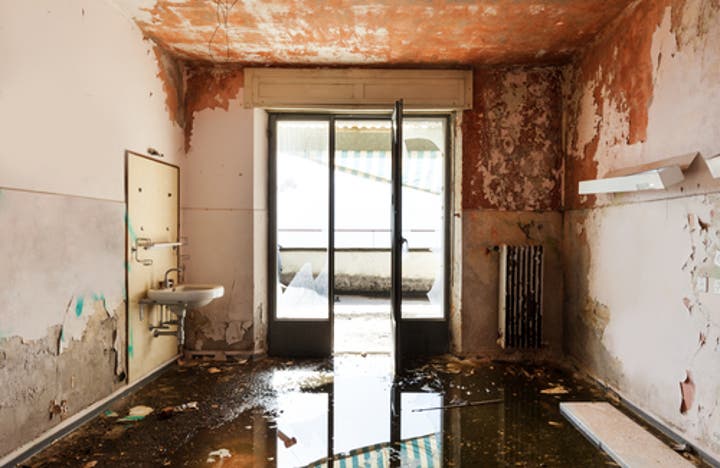
Typical outage-related water issues we see across Georgia include:
- Sump pump failure leading to basement or crawlspace flooding
- Frozen or burst pipes after heating systems shut down in cold snaps
- Refrigerator and appliance leaks when power cycles on and off
- Roof and window leaks during storm events that go undetected in the dark
Each scenario raises different questions about coverage and responsibility, which is why it is important to document cause and timing as clearly as possible.


2. Water Damage vs Flood Damage After a Georgia Power Outage
Insurance companies in Georgia draw a strict line between “water damage” and “flood damage.” That line becomes critical after a major outage, especially when storms, hurricanes, or heavy rain are involved.
Most homeowners policies cover sudden, internal water damage, like a burst pipe that occurs after heat fails in an outage. They typically do not cover flood damage from rising groundwater, river overflow, storm surge, or surface water entering from outside.
Why This Distinction Matters For Your Claim
After a widespread outage, multiple sources of water can be present at once. Floodwaters may fill a basement at the same time a pipe fails or a sump pump shuts down.
When that happens, insurers may try to categorize the loss as flood instead of covered water damage. Detailed photos, videos, and notes that show where water entered and what failed first can help support your position.
3. Georgia’s Storms, Flood Zones, and Outage Hotspots
Outages that trigger water damage are rarely random in Georgia. They tend to follow familiar paths along hurricane tracks, river corridors, and low-lying coastal zones.
Hurricane-related events like Helene combined extreme rainfall, high winds, and widespread power failures. Atlanta recorded about 11.12 inches of rain in 48 hours during Helene, which stressed both drainage systems and electrical infrastructure at the same time.
Understanding Your Property’s Flood and Outage Risk
If your home sits in or near a mapped flood zone, you are more likely to experience flood-related water damage during an outage event.
Even outside designated zones, localized street flooding and overwhelmed storm drains can push water toward basements and crawlspaces while the power is still out. Reviewing your specific zone and local outage history helps you prioritize mitigation steps such as sump pump backups or improved grading.
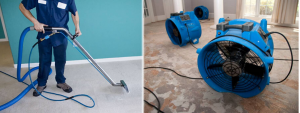
Five key considerations for water damage insurance after a power outage are summarized here. Use these insights to understand coverage and strengthen your claim in Georgia.
4. What Georgia Homeowners Insurance Typically Covers After Outage Water Damage
When outage-related water damage hits, the first question we help Georgia homeowners answer is, “Is this covered?” The answer depends on how the water entered, what failed, and what your policy says.
Standard homeowners policies usually cover sudden, accidental water damage inside the home, such as a ruptured supply line or broken pipe. They may also pay for resulting structural damage, some belongings, and necessary emergency dry-out if the cause is covered.
Typical Covered vs Not Covered Scenarios
| Scenario After Power Outage | Often Covered? | Notes |
|---|---|---|
| Pipe bursts after heat fails during winter outage | Often yes | Sudden internal water damage, if reasonable precautions were taken |
| Sump pump fails and groundwater floods basement | Usually no without special endorsement | Groundwater and seepage often excluded, check for backup/sump coverage |
| Storm surge or river flooding during outage | No under homeowners | Requires separate flood policy such as NFIP or private flood |
| Roof leak from wind-driven rain during storm outage | Often yes | If wind is a covered peril and roof was maintained |
Every policy is written differently, so we always recommend a close review of exclusions and endorsements before storm season begins.

Did You Know?
Damage to the grid during Helene included more than 8,000 power poles, over 21,000 spans of wire (around 1,000 miles), 1,500 transformers, and 3,200 trees on power lines, which shows how easily storms can disrupt both electricity and water control systems across Georgia.
5. Why Flood Insurance Matters When Outages and Rising Water Collide
For many Georgia homeowners, the most painful surprise after an outage is learning that floodwater damage is not covered by their standard policy. This often happens when heavy rain or storm surge coincides with grid failures.
Flood policies through NFIP or private insurers are designed to cover direct physical loss from flooding, which includes rising water from rivers, lakes, storm surge, and surface water runoff. Premiums for flood policies in Georgia often fall in the $450 to $900 per year range, depending on elevation, flood zone, and coverage amounts.
How Flood and Homeowners Policies Work Together
In an outage-driven storm event, you may actually be dealing with two overlapping policies. One handles internal water damage from covered perils, while the other handles flood.
Careful documentation and clear communication with both insurers help prevent finger pointing about which policy should respond. We encourage our clients to keep copies of both policies in a safe, accessible place along with their photos and inventory lists.


6. Deductibles, Out-of-Pocket Costs, and Budgeting for Outage Water Damage
Even when coverage applies, deductibles have a major impact on your out-of-pocket costs. In Georgia, we regularly see flat deductibles between $500 and $2,500, and percentage deductibles of 1 to 5 percent of the home’s insured value.
On a home insured for $400,000, a 2 percent deductible equals $8,000 before your insurer pays for outage-related water damage. That amount can delay repairs if you have not planned for it.
Strategies To Keep Your Deductible Manageable
- Ask your agent to quote both flat and percentage deductibles and compare long-term costs.
- Consider a slightly higher premium if it significantly lowers your water damage deductible.
- Reserve an emergency fund that at least covers your highest applicable deductible.
- Review whether you have separate wind or hurricane deductibles that could apply to storm outages.
The average annual homeowners premium in Georgia often falls around $2,004 to $2,435, so adjusting deductibles up or down will usually change your yearly cost in that context.
7. Historic Georgia Homes: Special Risks During Outages and Water Events
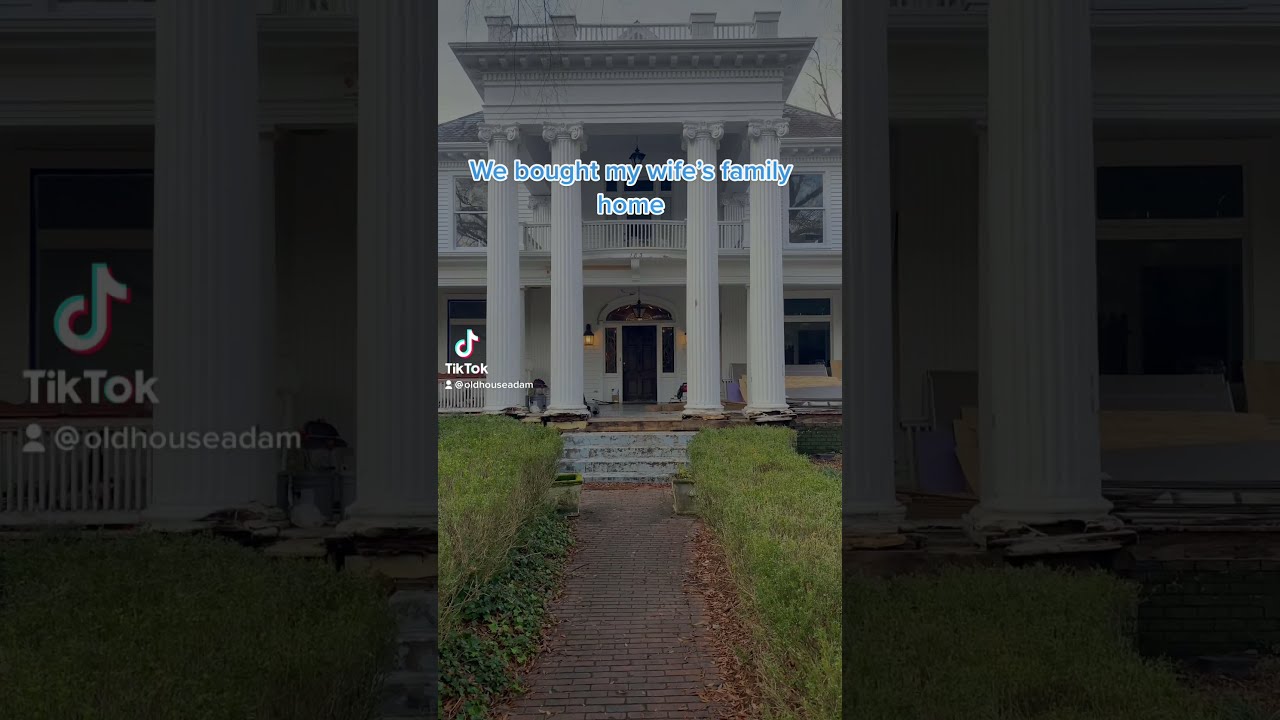
Historic homes in Savannah, Augusta, and other Georgia communities face heightened risk during power outages that coincide with major storms. Older foundations, plaster walls, and original hardwoods are often more vulnerable to prolonged moisture.
At the same time, restoring historic details after water damage generally costs more than standard materials. That is why specialized policies with “replacement in kind” and ordinance or law coverage are so important for these properties.
Insurance Considerations For Historic Property Owners
If you own a historic home, we suggest reviewing whether your policy clearly addresses:
- Coverage for historically appropriate materials instead of modern substitutes
- Increased costs to meet current building codes after a loss
- Any agreed value provisions that set the home’s insurable value in advance
Outage-related water intrusions in historic crawlspaces and basements can be subtle at first, so regular inspections after major events are especially important.
Did You Know?
Georgia Power engaged more than 20,000 personnel in the Helene restoration effort, showing how seriously utilities and the state treat these large-scale outage and water damage events.
8. Emergency Response: What To Do The Moment You See Outage-Related Water Damage
When the power comes back on and you find water, timing and safety are everything. We always recommend starting with safety checks before you move or unplug anything.
If water has reached outlets, appliances, or your electrical panel, it is wise to consult an electrician before re-energizing affected circuits. Avoid standing in pooled water where live power may be present.
Step-by-Step Response Checklist
- Stop the source if possible, such as closing a valve on a leaking pipe.
- Document the scene thoroughly with photos and short videos before moving items.
- Contact your insurer’s claims line and note your claim number.
- Begin safe mitigation, such as mopping, moving dry belongings, and opening windows if conditions allow.
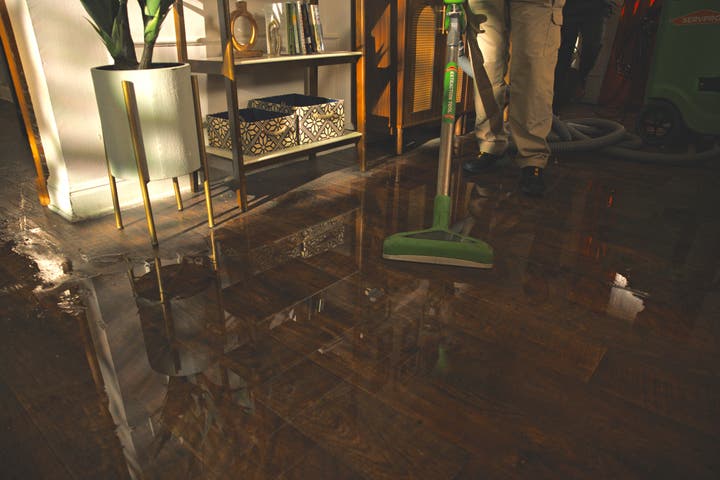
- Call a professional water damage restoration provider for extraction and drying, especially for larger losses.
Tip: Keep a simple “outage response kit” with flashlights, boots, gloves, towels, and key phone numbers so you can react quickly even before daylight returns.

9. Working With Insurance Adjusters After Georgia Power Outage Water Damage
Once you file a claim, an insurance adjuster will usually inspect your property to evaluate coverage and estimate repair costs. In Georgia, you will most often work with either a company staff adjuster or an independent adjuster hired by your insurer.
Public adjusters, who work directly for policyholders, are another option some homeowners use for larger, complex claims. Their role is to help present your loss and negotiate on your behalf.
How To Prepare For The Adjuster’s Visit
- Have a written timeline of the outage, when water appeared, and what you did to mitigate.
- Organize your photos, videos, and any receipts for temporary repairs or hotel stays.
- Make a room-by-room list of damaged building materials and contents.
- Ask the adjuster to explain any coverage disagreements or partial denials in writing.
Clear communication, detailed records, and a calm approach often lead to smoother settlements, especially when multiple neighboring properties are also filing claims.


10. Practical Prevention Tips For Georgia Power Outage Water Damage
We cannot prevent every outage, but we can significantly reduce the chance that a blackout becomes a major water loss. Prevention is often a mix of physical improvements and simple habits.
Even small investments in backups and maintenance can pay off when the next major storm or grid failure hits your neighborhood.
Home Improvements To Consider
- Install a battery backup or generator-powered sump pump in basements and low areas.
- Seal foundation cracks and improve yard grading away from your home.
- Insulate and protect vulnerable plumbing that could freeze without heat.
- Secure roofing, flashing, and gutters before hurricane season.
Regularly reviewing your homeowners and flood policies, and updating coverage when you make improvements, helps keep protection aligned with the actual risk your property faces.

Conclusion
Georgia power outage water damage is not a single problem but a chain reaction that ties together storms, grid failures, building systems, and complex insurance language. By understanding how outages trigger water issues, what your policies actually cover, and how to respond and document losses, you can move from being surprised to being prepared.
As restoration and insurance support professionals, we have seen how planning ahead, asking the right coverage questions, and responding calmly after an event can turn a stressful outage into a manageable repair project instead of a long-term hardship. Now is the ideal time to review your coverage, strengthen your home, and get ready for the next Georgia storm season.